Five destinations, five ways to learn
People who live in Milan to study Italian have a big advantage: the city is well-connected to many historic towns that can be visited on a day trip. Some of these towns, such as Bergamo, Pavia, Vigevano, Como, and Lecco, are perfect for a day trip and offer the chance to hear different accents, learn about local traditions, and use the language in new contexts. Just hop on a train, and in less than an hour, you’ll find yourself in a completely different atmosphere.
Each city has a strong identity, which is why every visit is also an exercise in cultural and linguistic immersion. In Bergamo, you take the funicular up to the Upper Town, stroll along Venetian walls, step inside churches adorned with frescoes, and enjoy a meal of polenta. In Pavia, you can lose yourself in the labyrinth of medieval streets, among towers, Romanesque churches, and the ancient university. In Vigevano, you’ll discover one of Italy’s most beautiful squares, designed by Bramante, and visit the castle with its stables designed by Leonardo. All these places speak a clear form of Italian, sometimes with local inflections that stimulate the ear and spark curiosity.
Local experiences that enrich one’s vocabulary
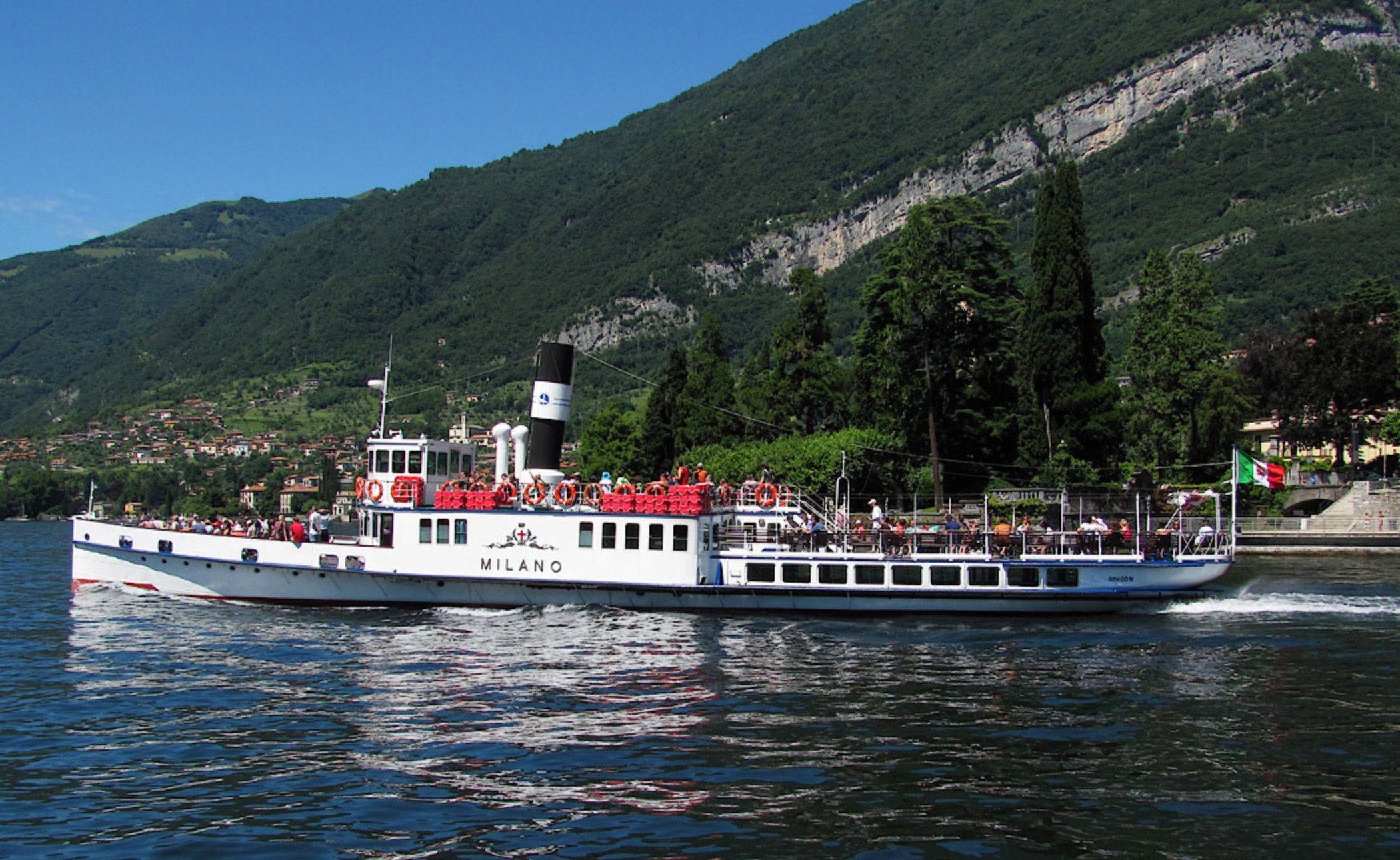
Every trip outside Milan is also a real opportunity to use Italian in authentic situations: buying a ticket at the train station, reading the schedules, ordering something at a trattoria, asking for directions, reading a flyer, or popping into a shop. In Como, for example, in addition to the famous lakeside promenade, you can take a boat ride, visit the Tempio Voltiano, and hear words related to science, navigation, and nature. In Lecco, a city dear to Manzoni, you can immerse yourself in the setting of *The Betrothed*, nestled between mountains and the lake, with opportunities to visit museums and literary trails.
Every city has its own local terms: in an ice cream shop you might see “artisanal stracciatella,” at a market you might hear “daily special,” and at a museum “guided tour at 3 p.m.” These are small, real-life situations that give meaning to the grammar and vocabulary studied in the classroom. Every sentence you hear or read becomes easier to remember when it’s linked to a real-life experience: a panoramic view, a local dish, an interesting exhibit, or an unexpected conversation.
Lombardy Beyond Milan: An Extension of the Classroom
Milan is modern, cosmopolitan, and fast-paced. The towns in its surrounding area are often slower-paced, more intimate, and easier to navigate, even for those who have only recently begun studying the language. And that’s precisely why they’re ideal places to practice Italian without too much pressure. The signage is clear, people are used to talking with tourists and students, and the historic centers are small enough to explore in just a few hours.
Organizing a language trip with classmates—or even on your own—is a great way to practice all your skills: listening, reading, and speaking. And above all, it’s a way to make Italy not just a study destination, but a true life experience. Whether you prefer the mountains of Lecco, Lake Como, the churches of Pavia, the art of Bergamo, or the elegance of Vigevano, each of these cities can become part of your personal Italian vocabulary. And perhaps, even part of your heart.