
Interview with KJ
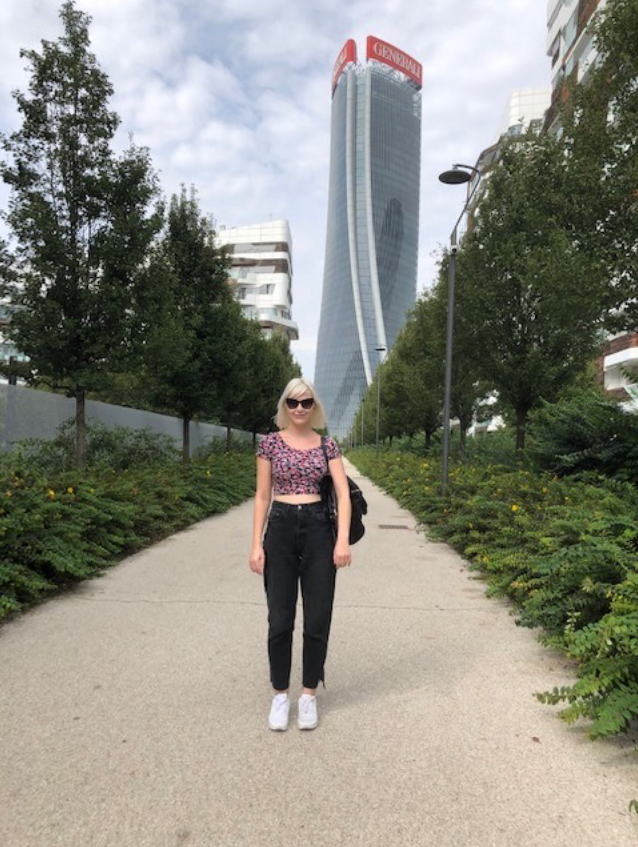
Tell us a little about yourself: where are you from, how old are you, and what are you doing right now?
I’m “Irish-English” (half Irish, half English) and I’m 29 years old. I work part-time while preparing for the C1 exam with ELLCI.
How long have you been living in Milan, and how are you settling in?
I moved here in early August 2020, even though I had wanted to move as early as April, but that wasn’t possible because of COVID. However, this isn’t my first time in Italy, because I had already lived here a few years ago.
What steps led you to Italy? Was it for school, work, love, or a passion?
The first time I lived in Italy was for work, but I came back because I missed Italy and life in Milan! I’d like to continue living in Italy, so I need a high level of Italian for work and also for my social and personal life.
When did you start studying Italian, and how?
When I first arrived in Italy, I didn’t know a single Italian word (except for “pizza” and “pasta,” of course 🙂 ). But I started learning a few words and practicing the language with friends and coworkers. I had studied a bit in my free time, then I decided to study seriously at a school and focus on the CELI exams during the first lockdown. I’m lucky because, in addition to the social aspects of ELLCI, this goal helped me stay mentally healthy during the lockdowns and restrictions over the past year!
What made you decide to move to Italy and live there?
I had been offered the opportunity to work abroad (in Milan, to be precise), so I decided to accept it because I wanted the chance to experience a new and very different culture.
What documents are required to live and study in Italy?
A European passport or a visa; I use my Irish passport.
What was your level of Italian when you arrived? Did you have any difficulties at first?
I was placed in the B2 class, but I had to finish the course; in other words, I wasn’t ready to take the B2 exam because I was at the B1.2 level. Now I’m in the C1 class and I hope to pass the exam in a few months.
At first, it was a little tough because my grammar skills were a bit behind those of the others, but it actually wasn’t hard to catch up, because the entire staff—teachers and students alike—were very patient and supportive of me.
Have you noticed any differences between the Italian course at ELLCI and your previous courses?
The teachers at ELLCI are the best. The course is well-structured and always interesting and engaging.
How has your life in Milan changed compared to your home country?
The weather is nicer than in Great Britain! The culture is very different, but I feel at home in Milan because the people here are friendly and welcoming, and it’s easy to make friends—even at school—since the classes are interactive and having coffee with the other students during break is a must!
The daily routine in Milan is similar to that in my hometown—for example, people work long hours in my hometown, too. One major difference, though, is that people eat dinner much later in Milan, and I’ll never get used to it!
Do you have any plans for the future? Will you stay in Milan?
I’d like to stay in Italy and keep a connection with Milan. But when I finish my Italian course, I’ll move to the suburbs, because I like being surrounded by nature and where I can do a lot of outdoor sports.
One thing you like about living in Italy and one thing you don’t like.
I love that you can find everything in Italy: mountains, the sea, history, art and culture, delicious food, and wonderful people. Whatever you could possibly want, you can discover it here. It’s always hard to live abroad because you’re far away from your family. Usually, my relatives can come visit me here, but because of the restrictions, that’s impossible right now, and it’s a bit tough. But with good friends, it’s always easier, and you have the support you need.
What advice would you give to someone who is just starting to learn Italian and dreams of living in Italy?
I’d recommend not waiting any longer—come experience la dolce vita, because you won’t regret it! Of course, it’s even better if you learn the language well, because that way you’ll understand the culture on a deeper level and be able to make friends everywhere.